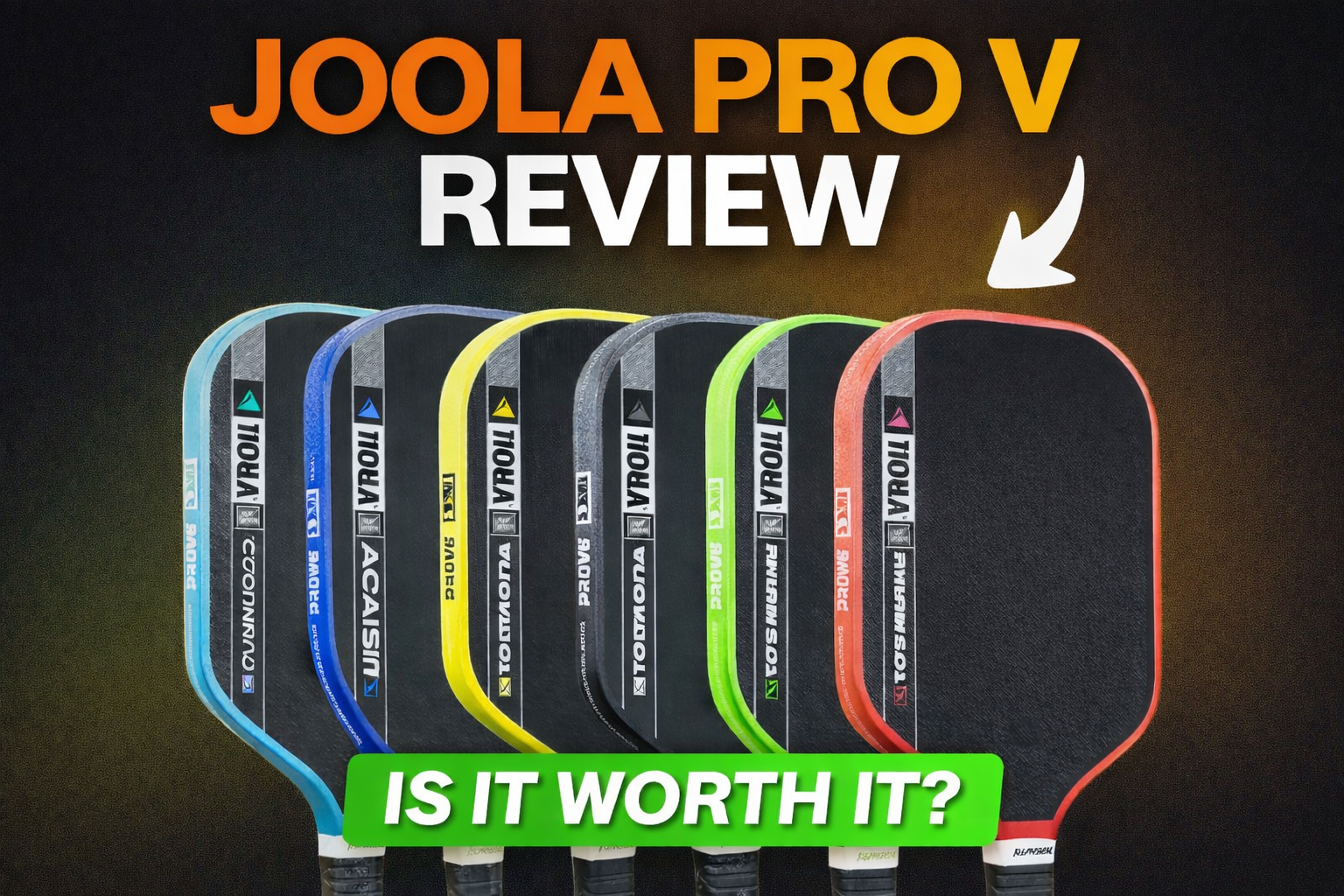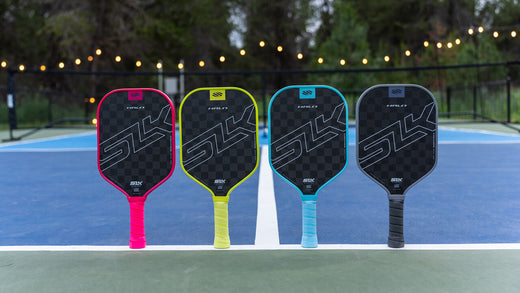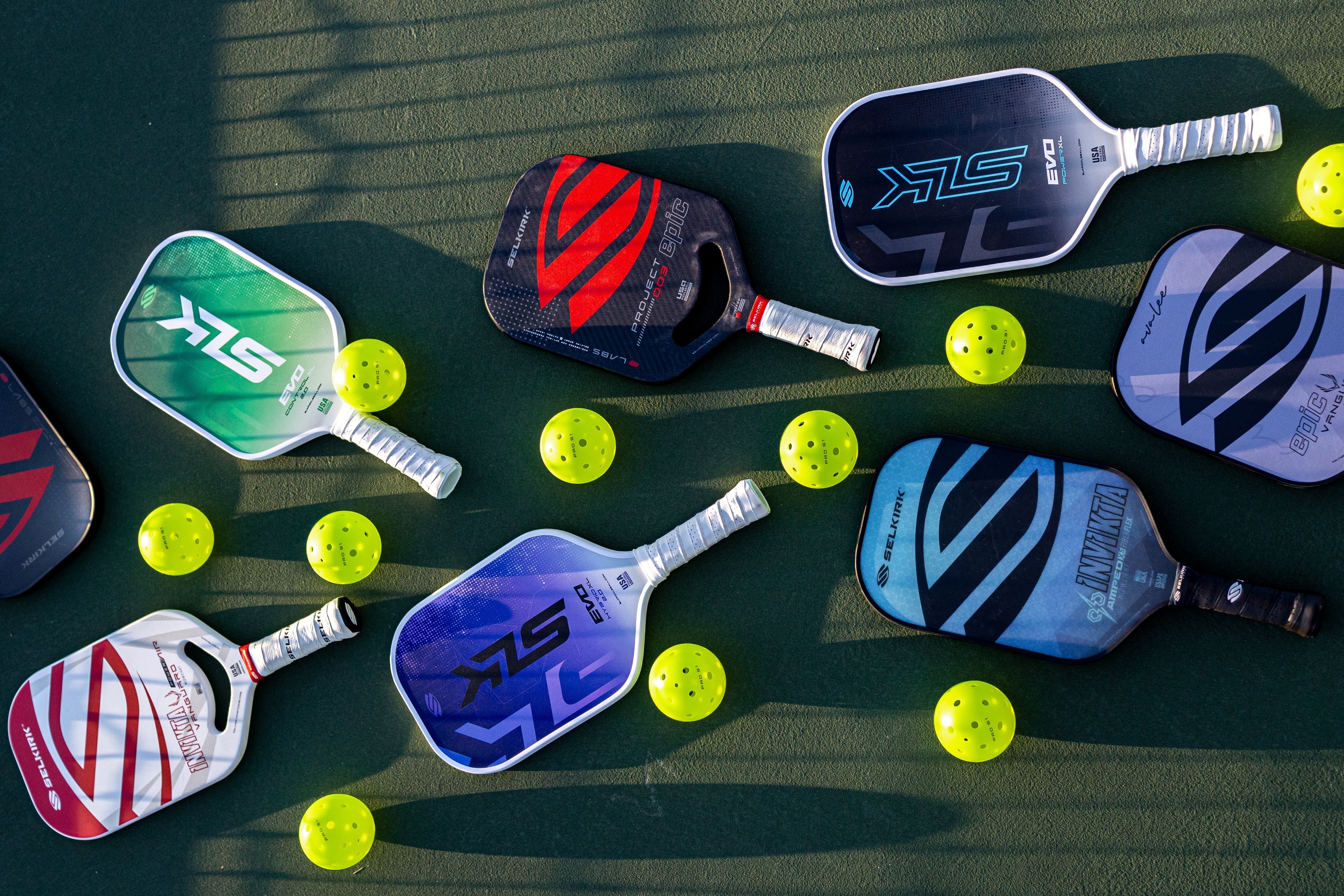
Choosing a pickleball paddle in 2026 is more complex than ever. With hundreds of options across foam cores, honeycomb cores, carbon fiber faces, fiberglass faces, and every shape imaginable, it's easy to get overwhelmed. This guide cuts through the noise.
Core Materials
The core is the heart of the paddle. The two dominant technologies are:
Polymer Honeycomb — The traditional standard. Firm feel, excellent power transfer, lower dwell time. Preferred by players who like a "pop" on contact.
Foam (Polypropylene Foam) — The newer technology taking the market by storm. Softer feel, more dwell time, better control. Preferred by players who prioritize touch and consistency.
Face Textures
The face determines spin potential and feel.
Carbon Fiber (T700, 3K, 12K) — Maximum spin potential. Gritty texture grabs the ball. The current standard for competitive play.
Fiberglass — Softer feel, slightly less spin than carbon. Better for players transitioning from tennis or who prefer a more forgiving feel.
Weight
- Lightweight (7.0–7.5 oz): More maneuverability, less stability. Good for players with arm issues or who rely on quick hands.
- Midweight (7.5–8.2 oz): The sweet spot for most players. Balance of power and control.
- Heavyweight (8.2+ oz): Maximum stability and power. Preferred by baseline-heavy players.
Shape
Elongated: More reach, more power on full swings. Smaller sweet spot side-to-side. Popular with former tennis players.
Standard/Widebody: Larger sweet spot, more forgiving. Better for net play and dinking.
Hybrid: The best of both worlds. Slightly elongated with a wider face than traditional elongated shapes.
Our Top Picks for 2026
The paddles we recommend depend heavily on your playing style. Stop by Spinwave Pickleball to demo before you buy — it's the only way to truly know if a paddle is right for your game.